Modern bathrooms have changed significantly over the last decade. Homeowners are moving away from bulky traditional toilets and choosing cleaner, more minimal designs that make bathrooms feel larger, calmer, and more luxurious. One of the biggest trends leading this shift is the floating toilet.
Floating toilets, also called wall-hung toilets, are becoming increasingly common in modern homes, hotels, and luxury renovations. They offer a sleek appearance while also improving cleaning, functionality, and space perception.
But are floating toilets really better than traditional floor-mounted toilets? And what should you know before installing one?
In this guide, we explain the advantages, disadvantages, installation considerations, and why floating toilets have become one of the most desired features in contemporary bathroom design.
What Is a Floating Toilet?

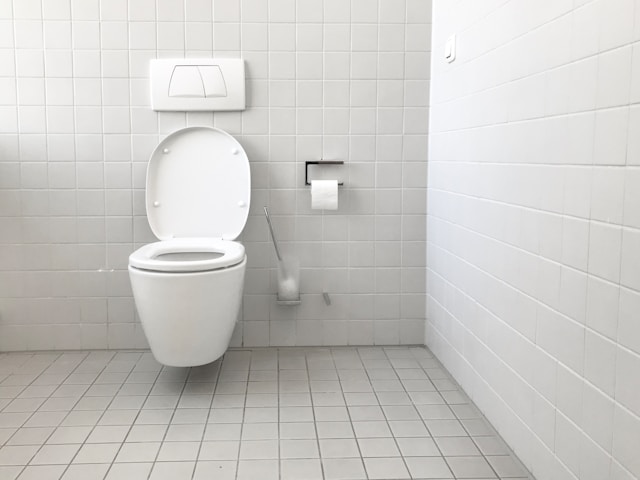
A floating toilet is mounted directly onto the wall instead of standing on the floor. The toilet tank and plumbing are hidden inside the wall or behind a built-in frame system, leaving only the toilet bowl visible.
This creates a clean, minimal appearance because:
- The floor underneath remains visible
- The cistern is concealed
- There are fewer exposed elements
- The toilet appears to “float”
This design is especially popular in:
- Modern contemporary bathrooms
- Japandi interiors
- Luxury hotel-style bathrooms
- Minimalist homes
Why Floating Toilets Are So Popular
1. They Make Bathrooms Look More Spacious
One of the biggest reasons people choose floating toilets is visual space.
Because the floor remains visible underneath the toilet, the room feels:
- Larger
- More open
- Less cluttered
- More modern
This effect is especially noticeable in smaller bathrooms and narrow toilets.
Even if the room dimensions stay exactly the same, a floating toilet can make the entire space feel less cramped.
2. Easier Cleaning
Traditional toilets often collect dust and dirt around the base where the toilet meets the floor.
Floating toilets eliminate this issue because there is open space underneath.
Advantages
- Easier floor cleaning
- Better hygiene
- Less dust buildup
- Cleaner appearance
For many homeowners, this is one of the biggest practical benefits.
3. A More Luxurious Appearance
Floating toilets are strongly associated with luxury interiors and modern hotels.
Because the plumbing is hidden inside the wall, the bathroom looks:
- Cleaner
- Simpler
- More architectural
- More premium
Combined with:
- Large-format tiles
- Flush plates
- LED mirrors
- Minimal accessories
…the result feels far more high-end than a traditional toilet setup.
4. They Work Perfectly With Modern Design Trends
Modern bathroom trends focus heavily on:
- Clean lines
- Minimal clutter
- Floating elements
- Hidden storage
- Seamless surfaces
Floating toilets naturally fit into these design principles.
They pair especially well with:
- Wall-hung vanities
- Large tiles
- Neutral colors
- Warm lighting
- Frameless showers
The Hidden Cistern System Explained
Many people wonder where the water tank goes in a floating toilet setup.
The cistern is hidden inside:
- A false wall
- A built-in frame
- A tiled enclosure
Only the flush plate remains visible from the outside.
This concealed system is what creates the clean minimalist appearance floating toilets are known for.
Are Floating Toilets Strong Enough?
This is one of the most common concerns.
Modern wall-hung toilet systems are designed to be extremely strong. Most high-quality systems can support several hundred kilograms when properly installed.
The support frame is anchored securely into the wall and floor structure.
When installed correctly, floating toilets are just as stable as traditional toilets.
Advantages of Floating Toilets
Cleaner Visual Appearance
The hidden plumbing creates a much more refined look.
Better Floor Visibility
Visible flooring helps bathrooms feel larger and calmer.
Easier Cleaning
No awkward edges around the toilet base.
Modern Aesthetic
Perfect for contemporary interiors.
Adjustable Height
Floating toilets can often be installed at different heights for additional comfort.
Possible Disadvantages
While floating toilets have many advantages, there are also a few things to consider.
1. Higher Installation Costs
Floating toilets are generally more expensive than standard toilets because they require:
- An in-wall frame
- Hidden plumbing
- Additional installation work
The cost is usually higher during renovations.
2. More Complex Installation
Installing a floating toilet often requires opening the wall or building a new enclosure.
This makes them easier to install during:
- Full renovations
- New construction projects
- Major bathroom redesigns
3. Repairs Can Feel More Intimidating
Because the tank is hidden inside the wall, some people worry about maintenance.
However, most modern systems are designed with accessible flush plates that allow plumbers to reach internal components when needed.
Best Tile Choices for Floating Toilets
Floating toilets work especially well with modern tiling styles.
Large-Format Tiles
These reduce grout lines and create a more seamless appearance.
Matching Grout Colors
Using grout close to the tile color creates a cleaner and calmer visual effect.
Wall Feature Tiles
Many homeowners extend the floor tile behind the floating toilet to create a luxury hotel-inspired feature wall.
Floating Toilets in Small Bathrooms
Floating toilets are one of the smartest upgrades for compact bathrooms because they improve visual openness without increasing room size.
In smaller toilets, combining a floating toilet with:
- A compact sink
- Wall-mounted accessories
- Light-colored tiles
- Large mirrors
…can dramatically improve the feeling of space.
Best Interior Styles for Floating Toilets
Modern Contemporary
Clean lines and minimal clutter work perfectly with floating toilet designs.
Japandi
Floating toilets support the calm and minimalist aesthetic of Japandi interiors.
Hotel Chic
Luxury hotels frequently use floating toilets because they create a cleaner and more premium atmosphere.
Scandinavian Modern
The simplicity of floating toilets fits naturally within Scandinavian-inspired spaces.
Styling Tips Around a Floating Toilet
Add a Built-In Shelf
The enclosure above the hidden cistern creates an ideal shelf for:
- Candles
- Fragrance sticks
- Small plants
- Decorative trays
Use Minimal Accessories
Too many visible items can reduce the clean effect floating toilets create.
Add Warm Lighting
Warm lighting softens the minimalist appearance and creates a more relaxing atmosphere.
Are Floating Toilets Worth It?
For many homeowners, yes.
Although installation costs are higher, floating toilets offer:
- Better aesthetics
- Easier maintenance
- Improved hygiene
- More spacious appearance
- Increased modern appeal
They are one of the most impactful upgrades in contemporary bathroom design.
Final Thoughts
Floating toilets have become one of the defining features of modern bathrooms because they combine practicality with minimalist design.
They make bathrooms feel cleaner, larger, and more luxurious while also improving functionality and hygiene.
Whether you are planning a complete renovation or simply exploring modern bathroom ideas, a floating toilet is one of the best ways to create a timeless and high-end bathroom aesthetic.
Leave a Reply